WHAT IS RECYCLE RED!?
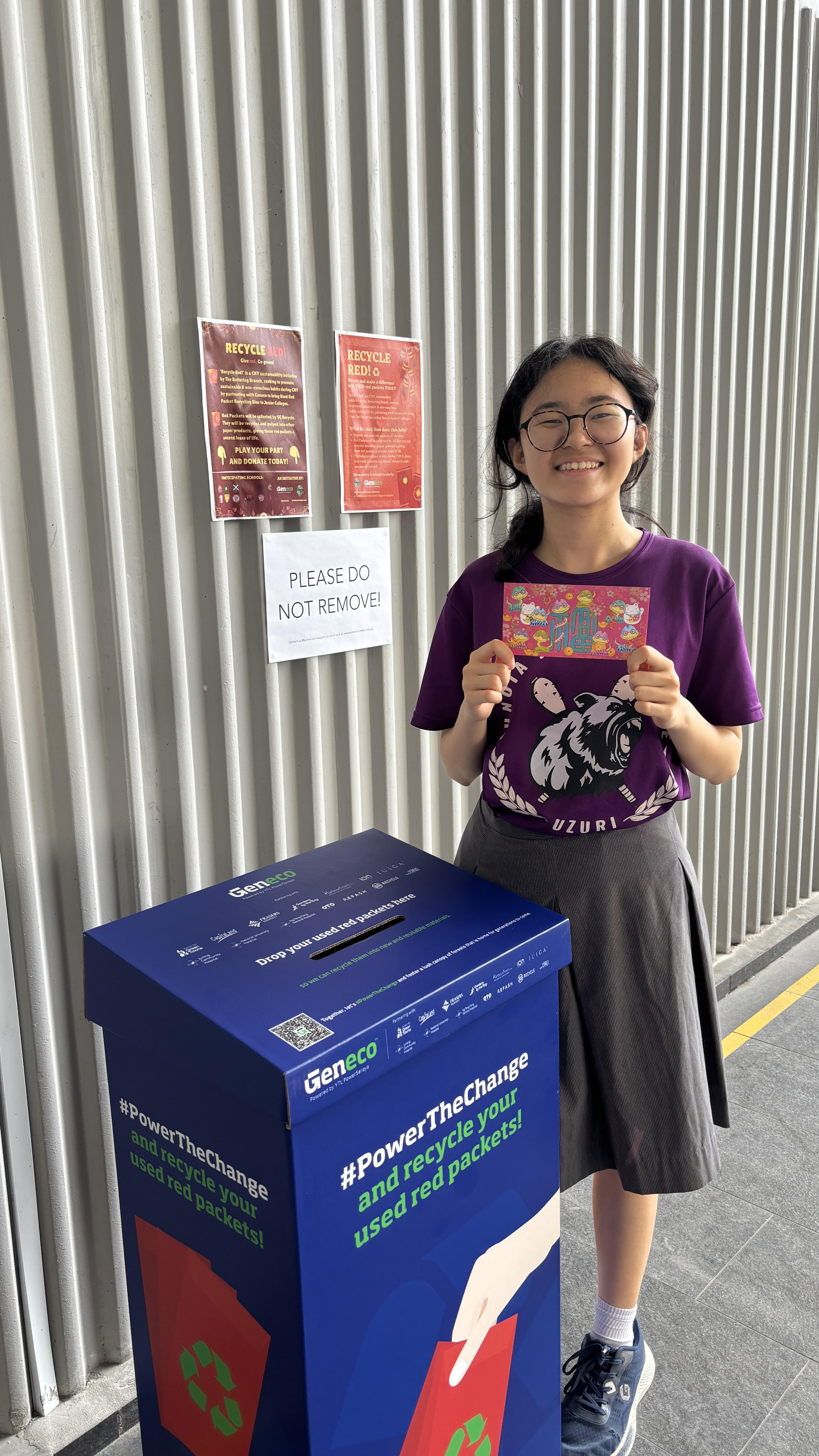
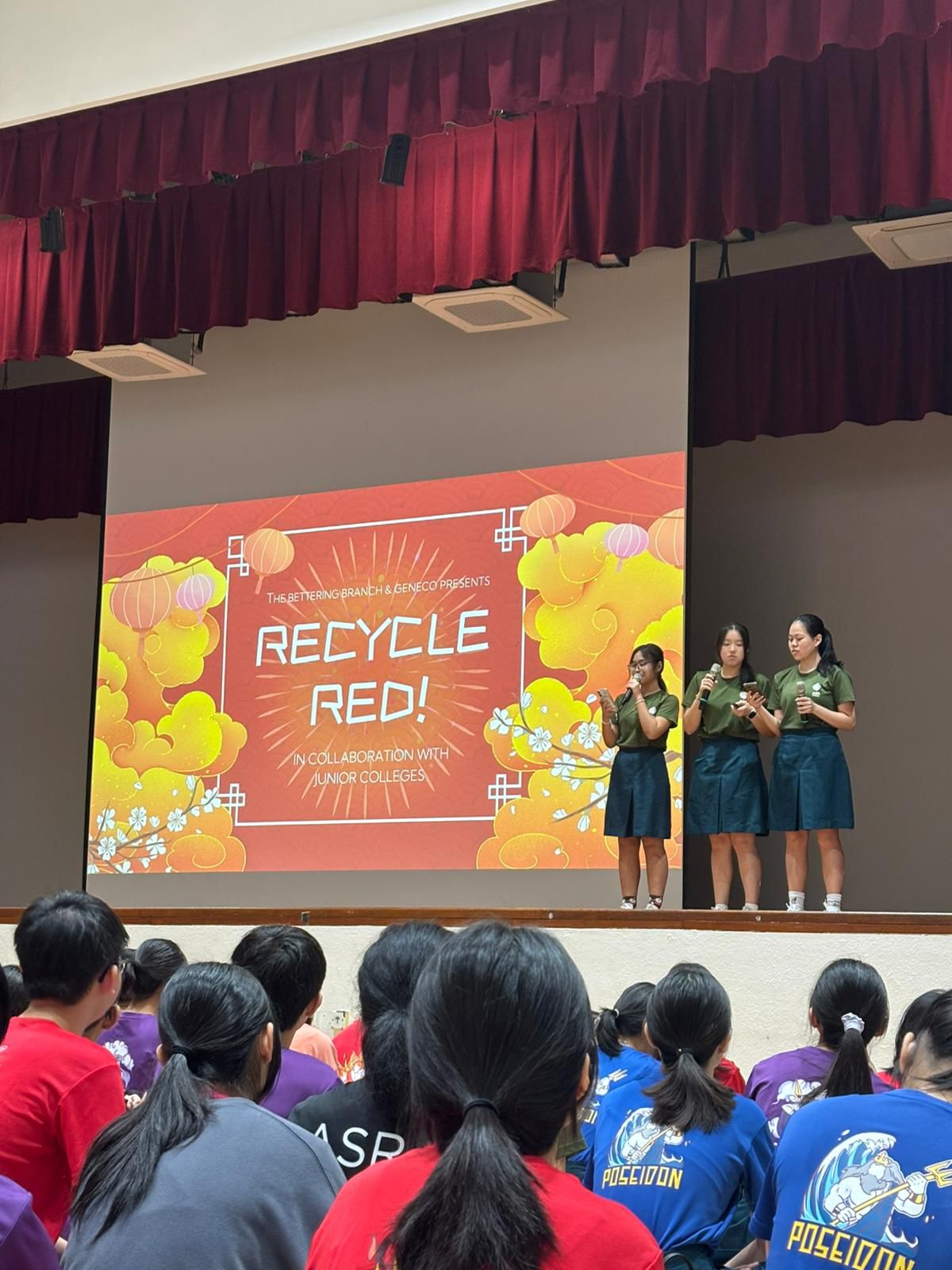
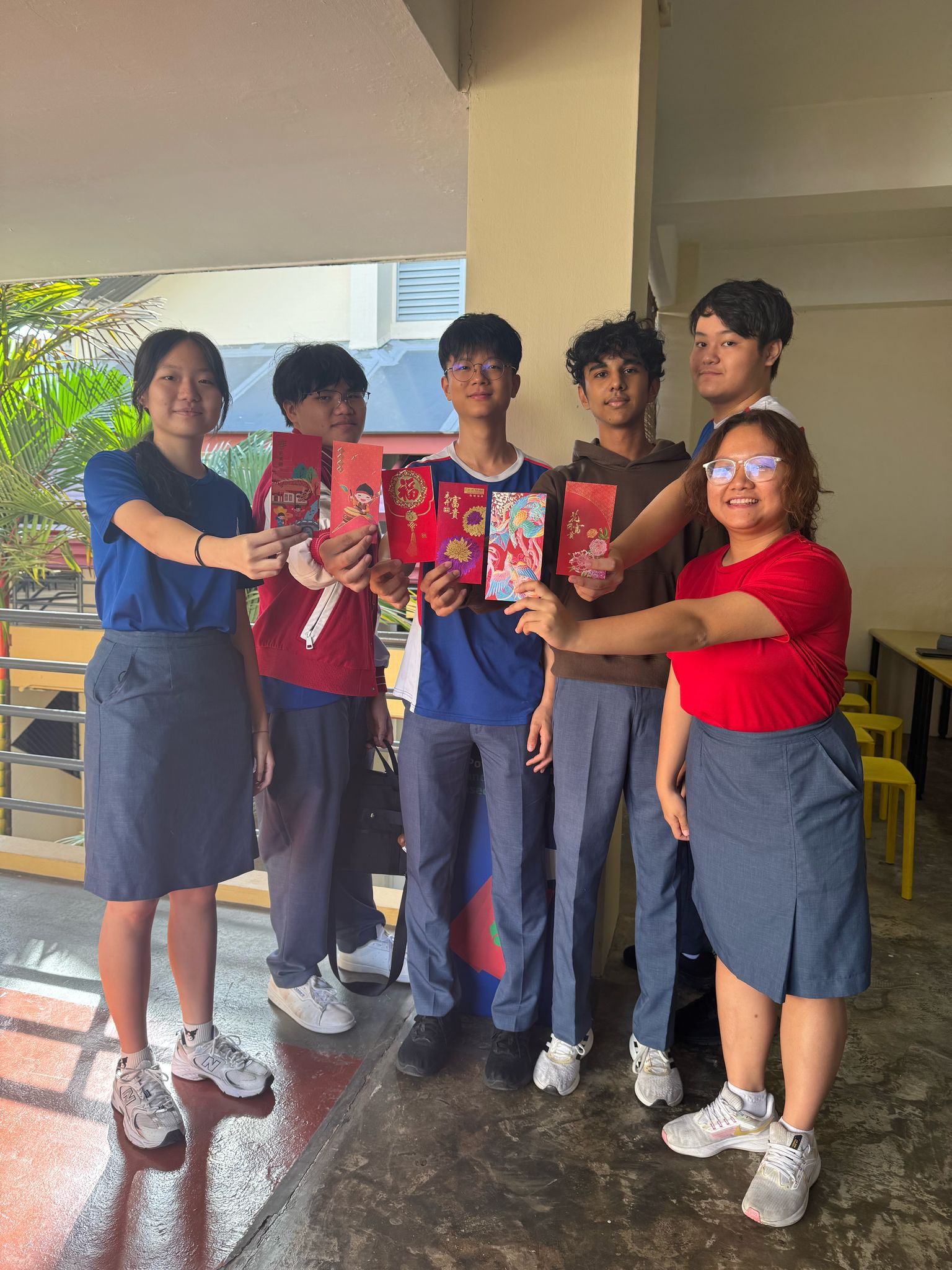
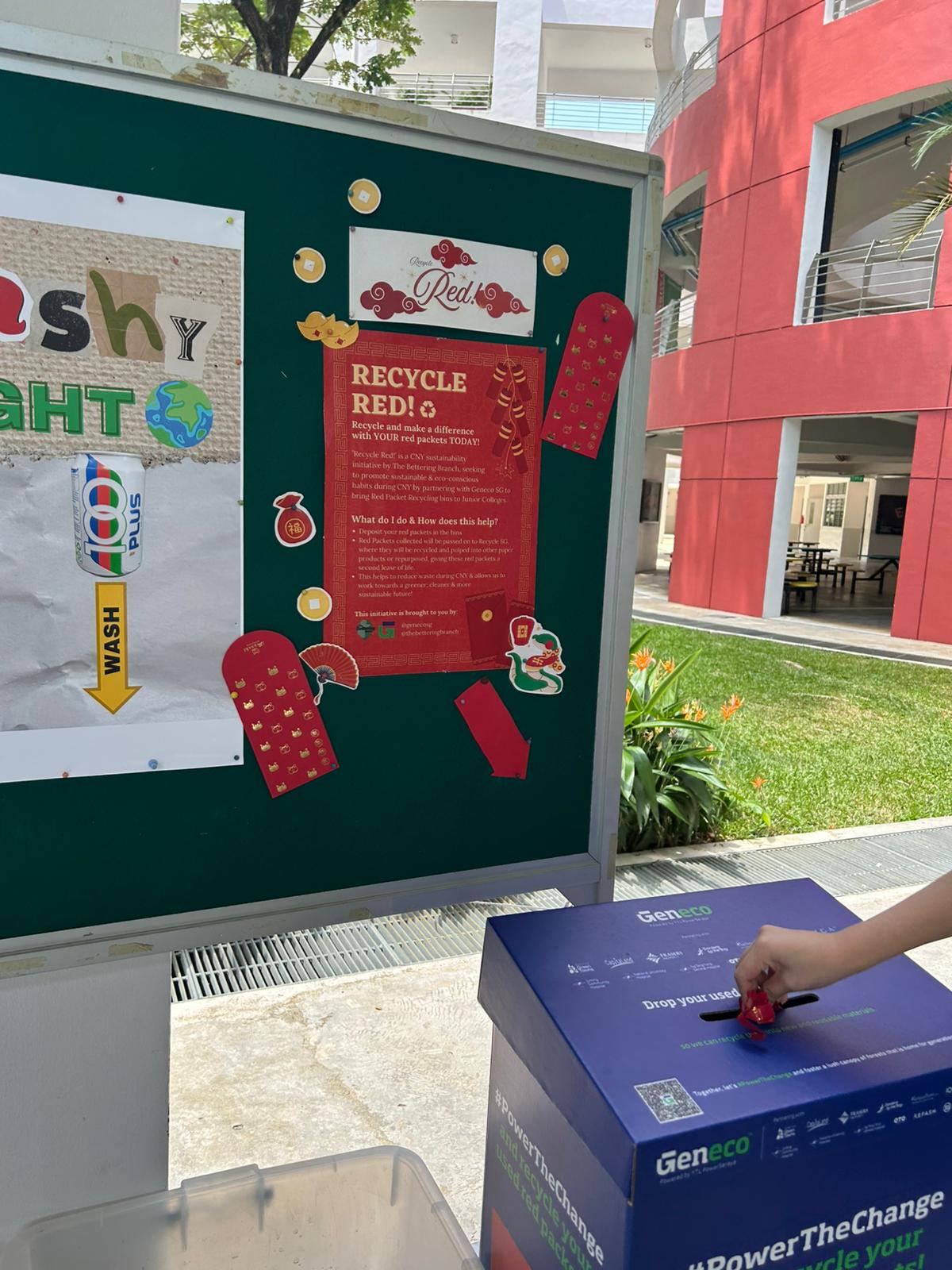
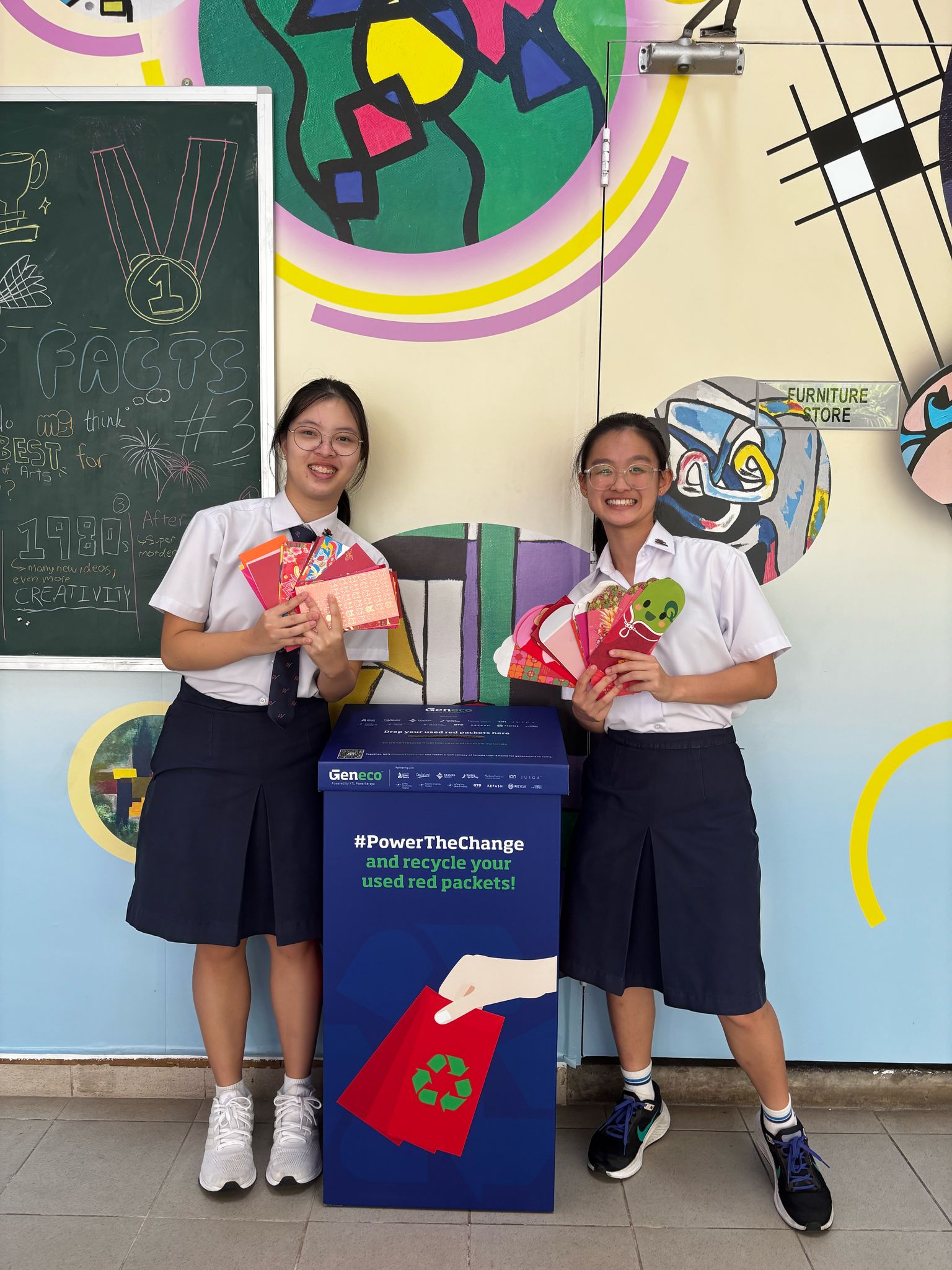
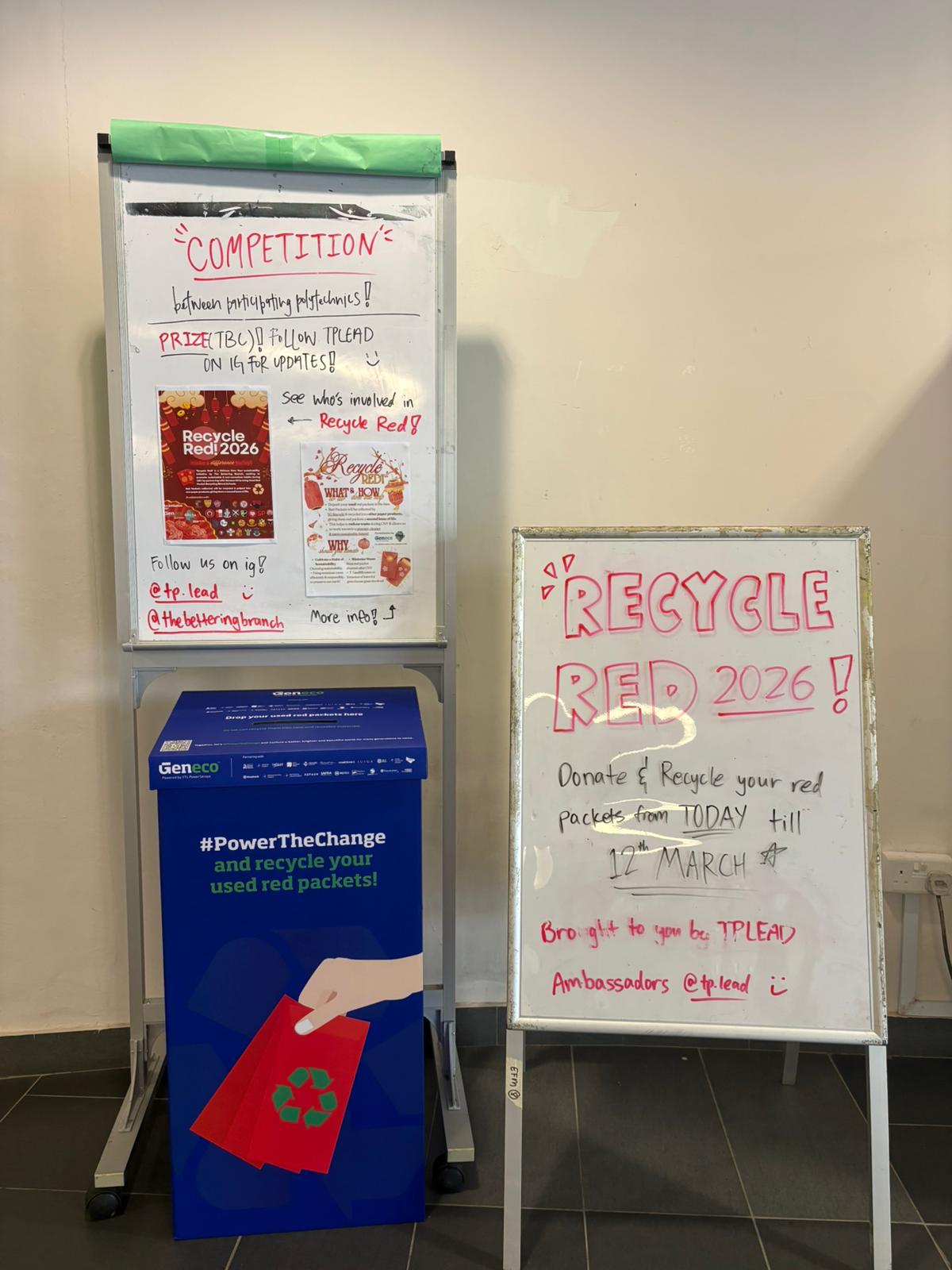
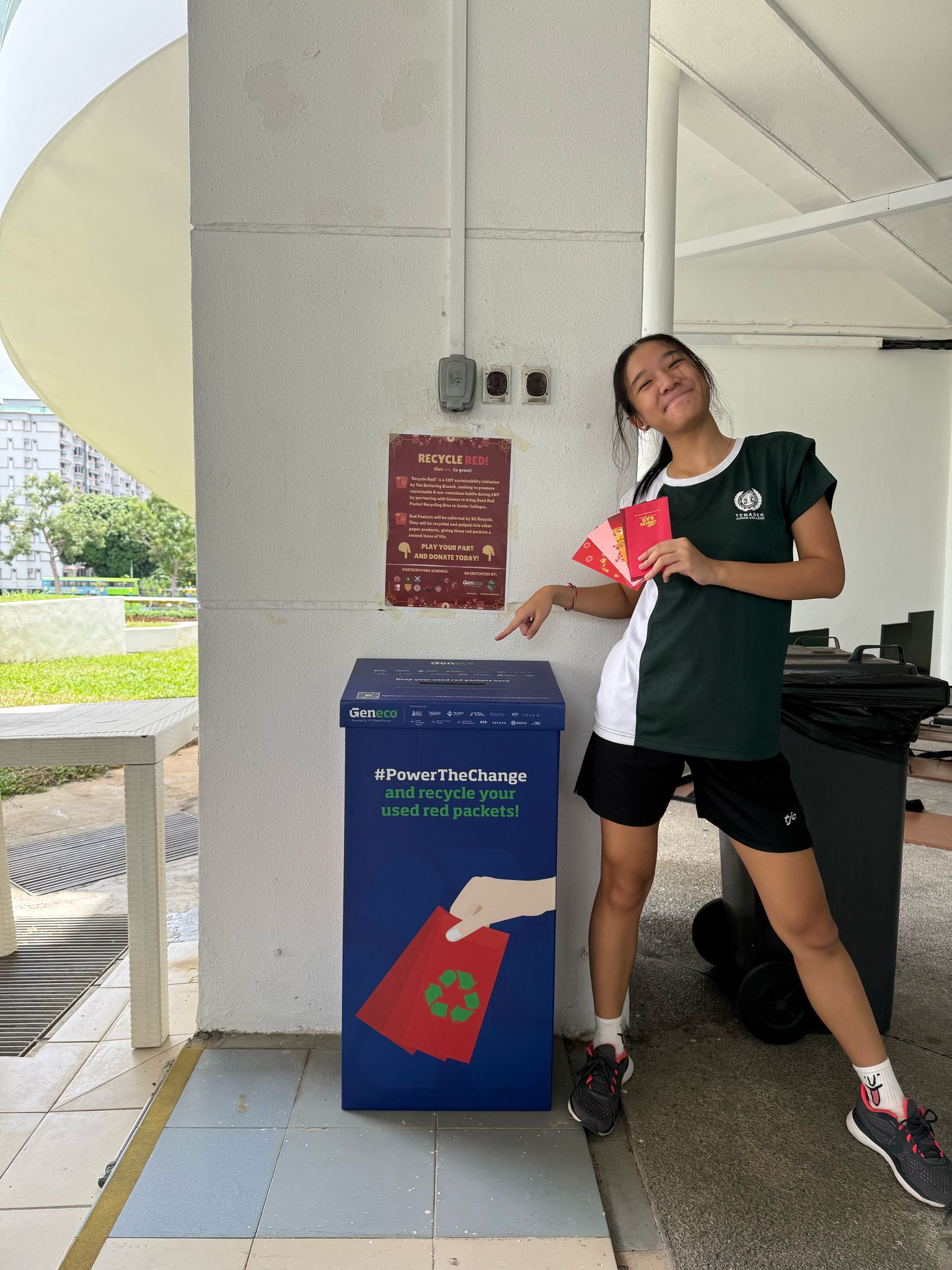
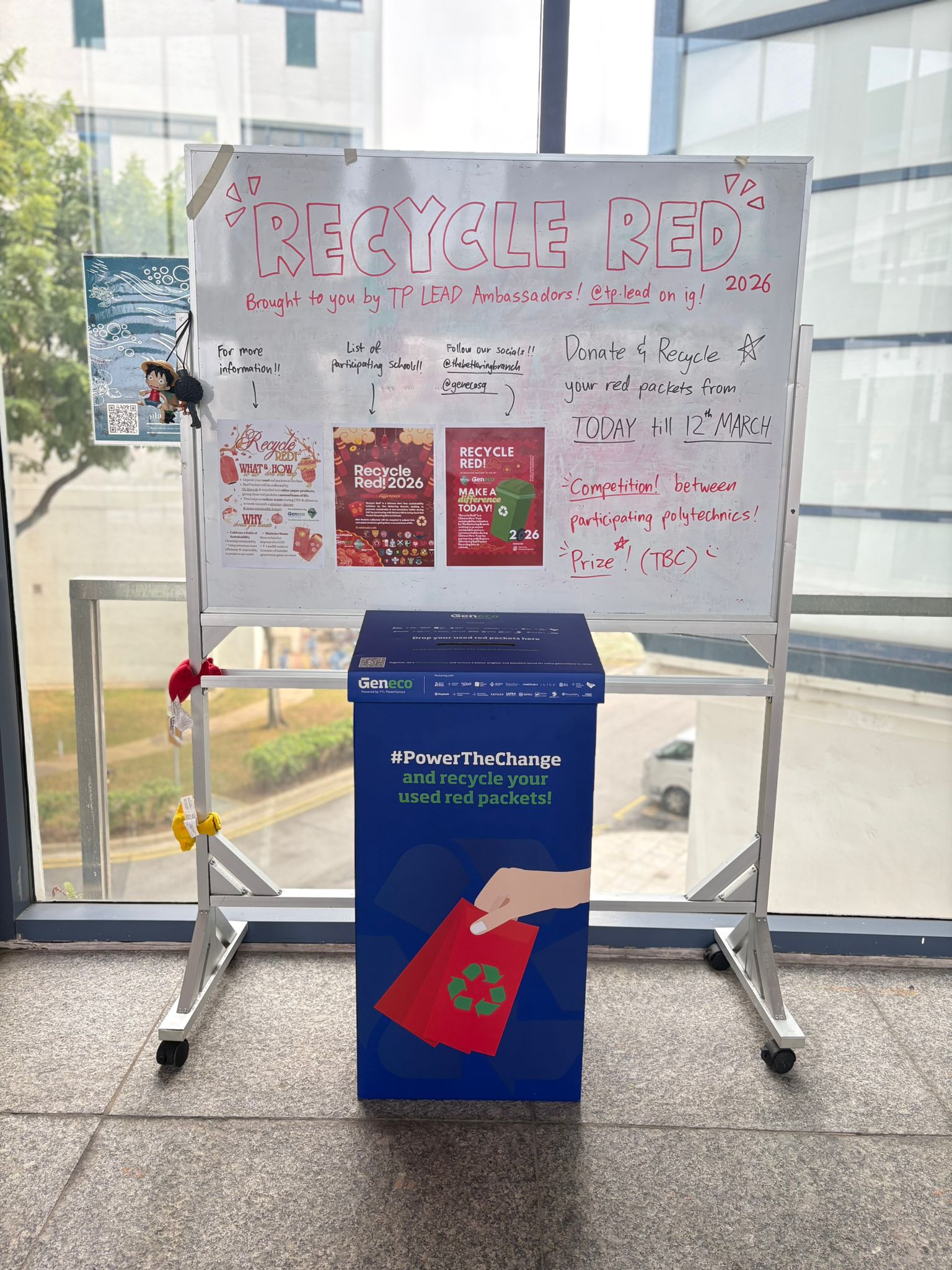
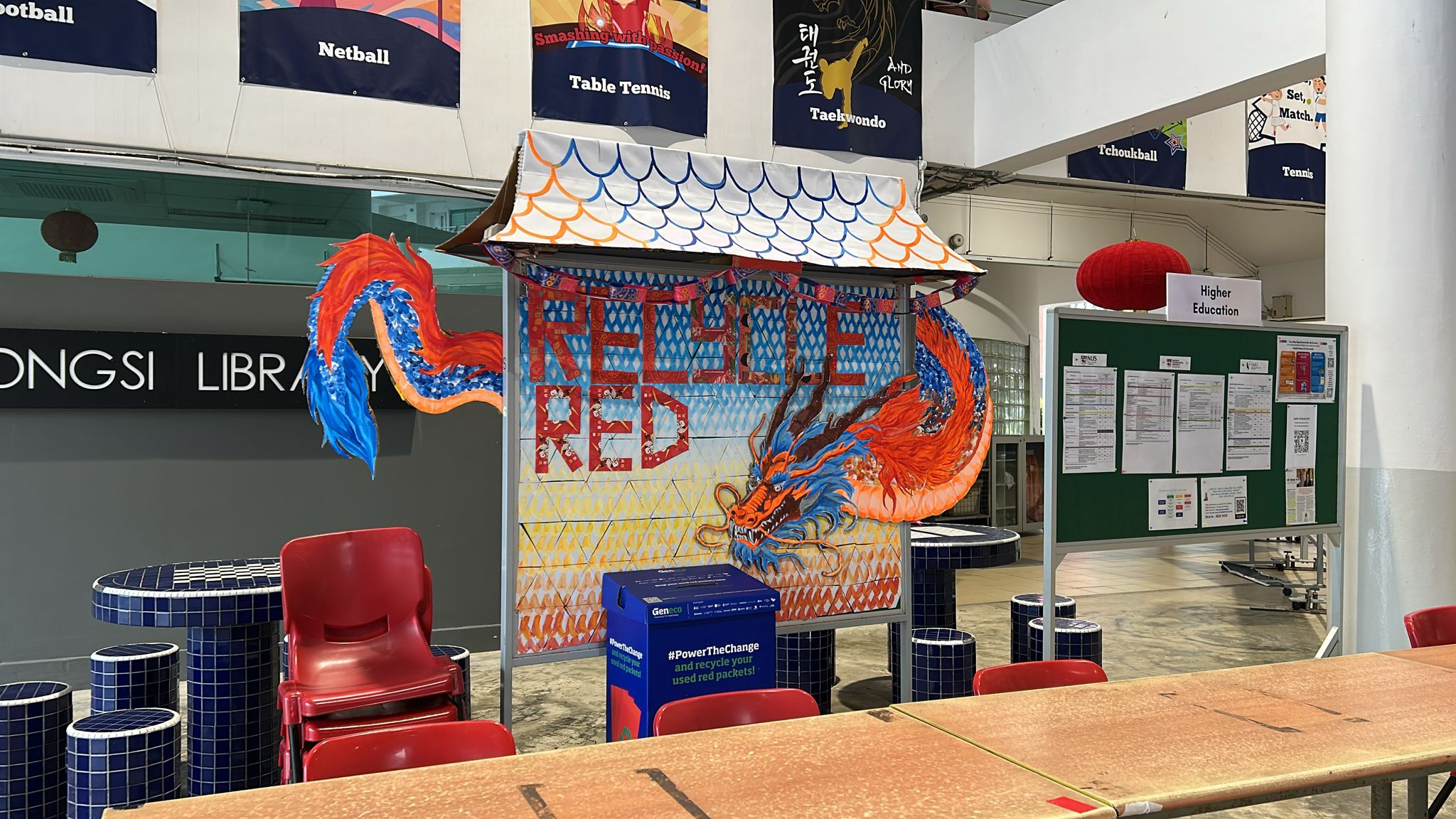
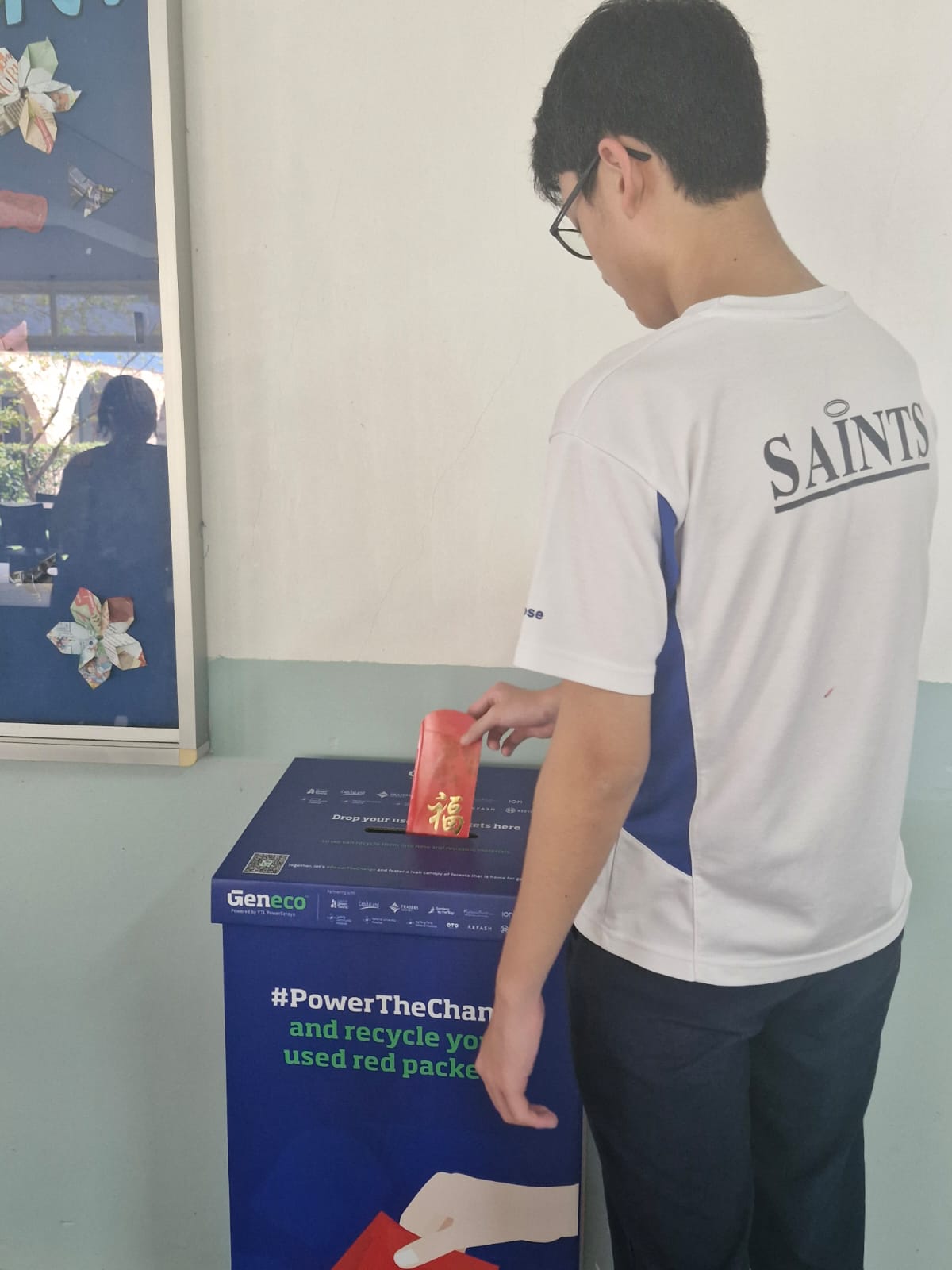
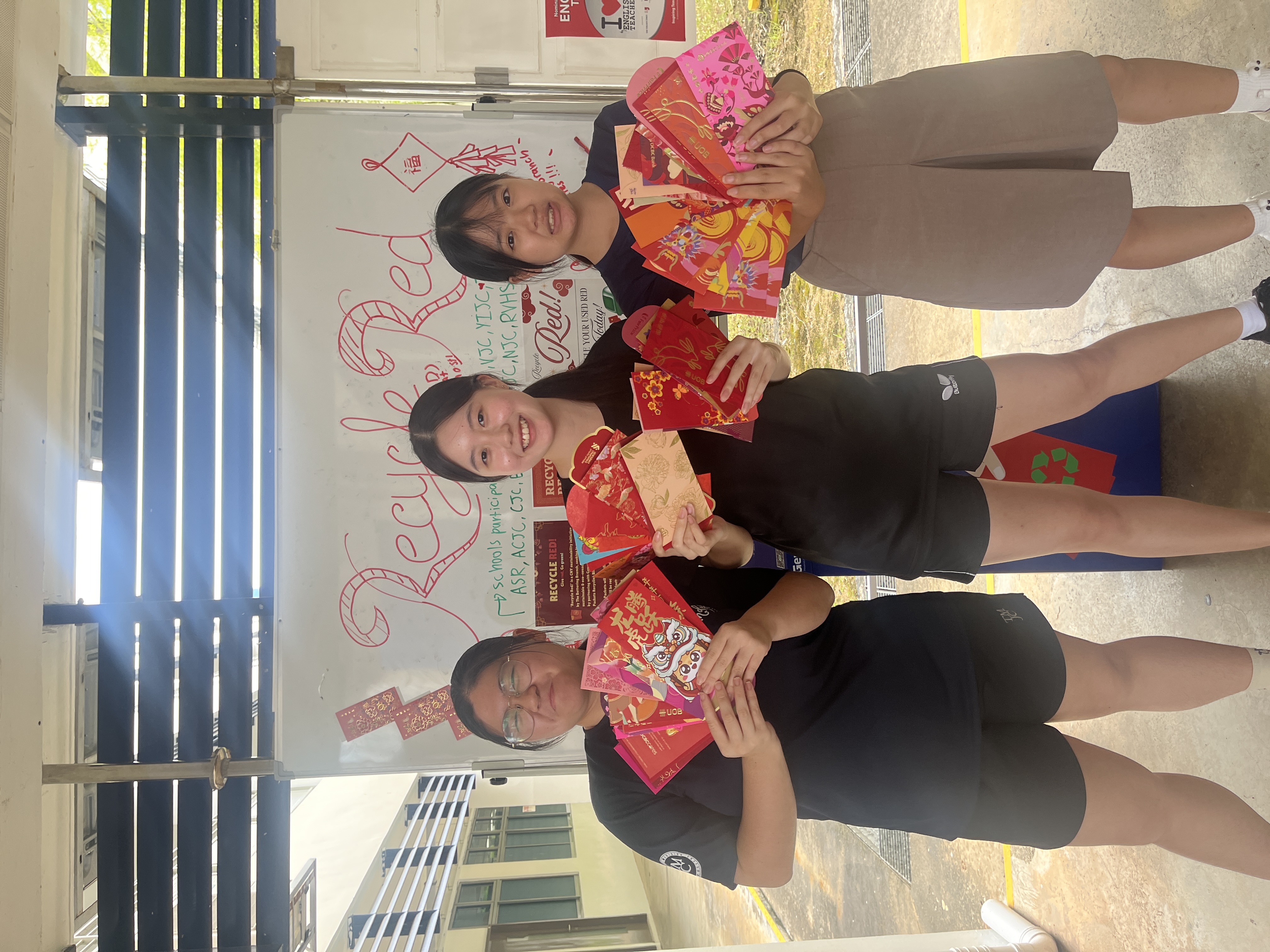
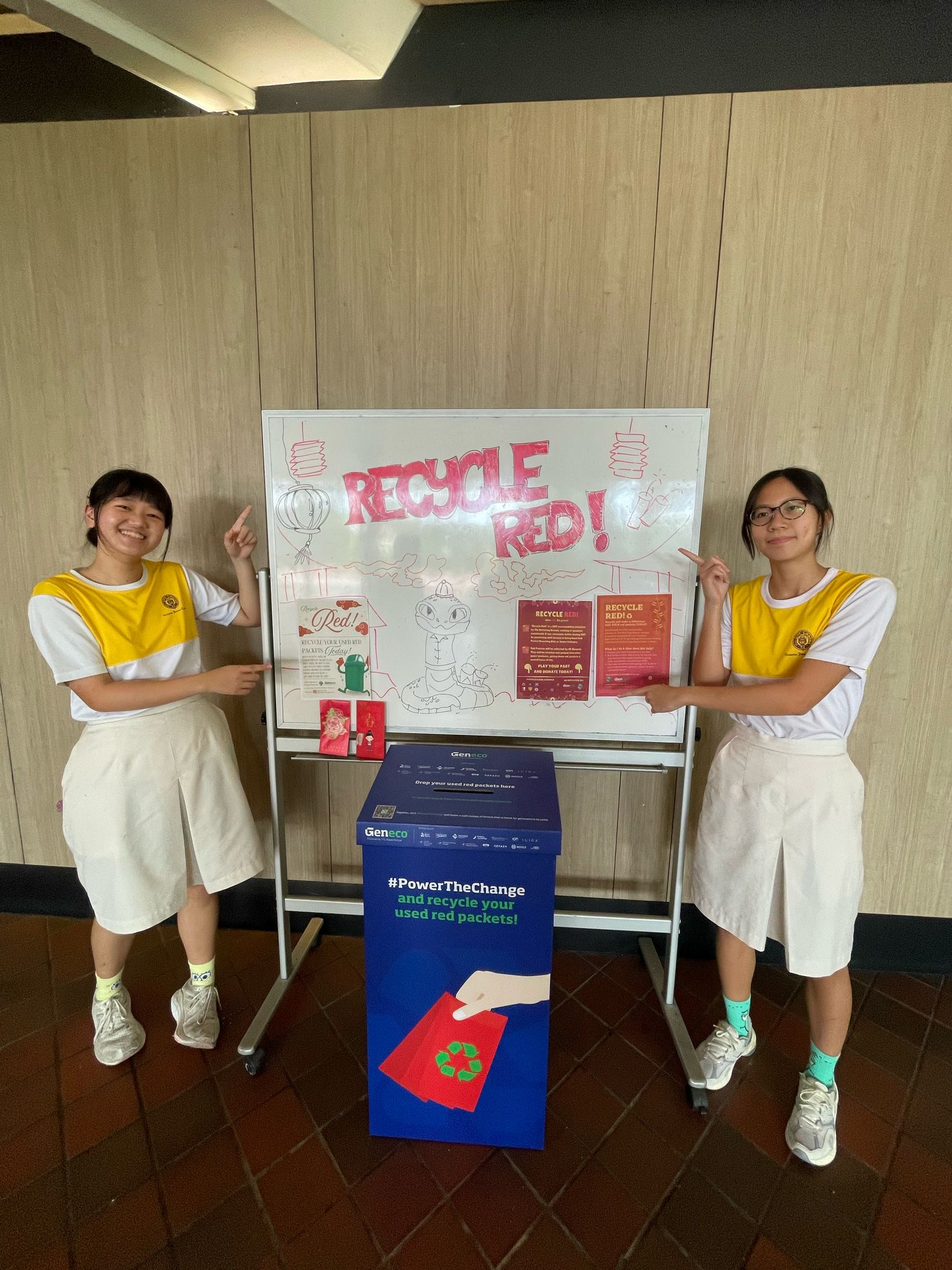
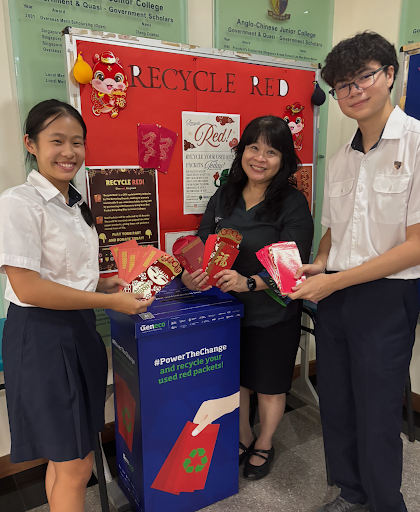
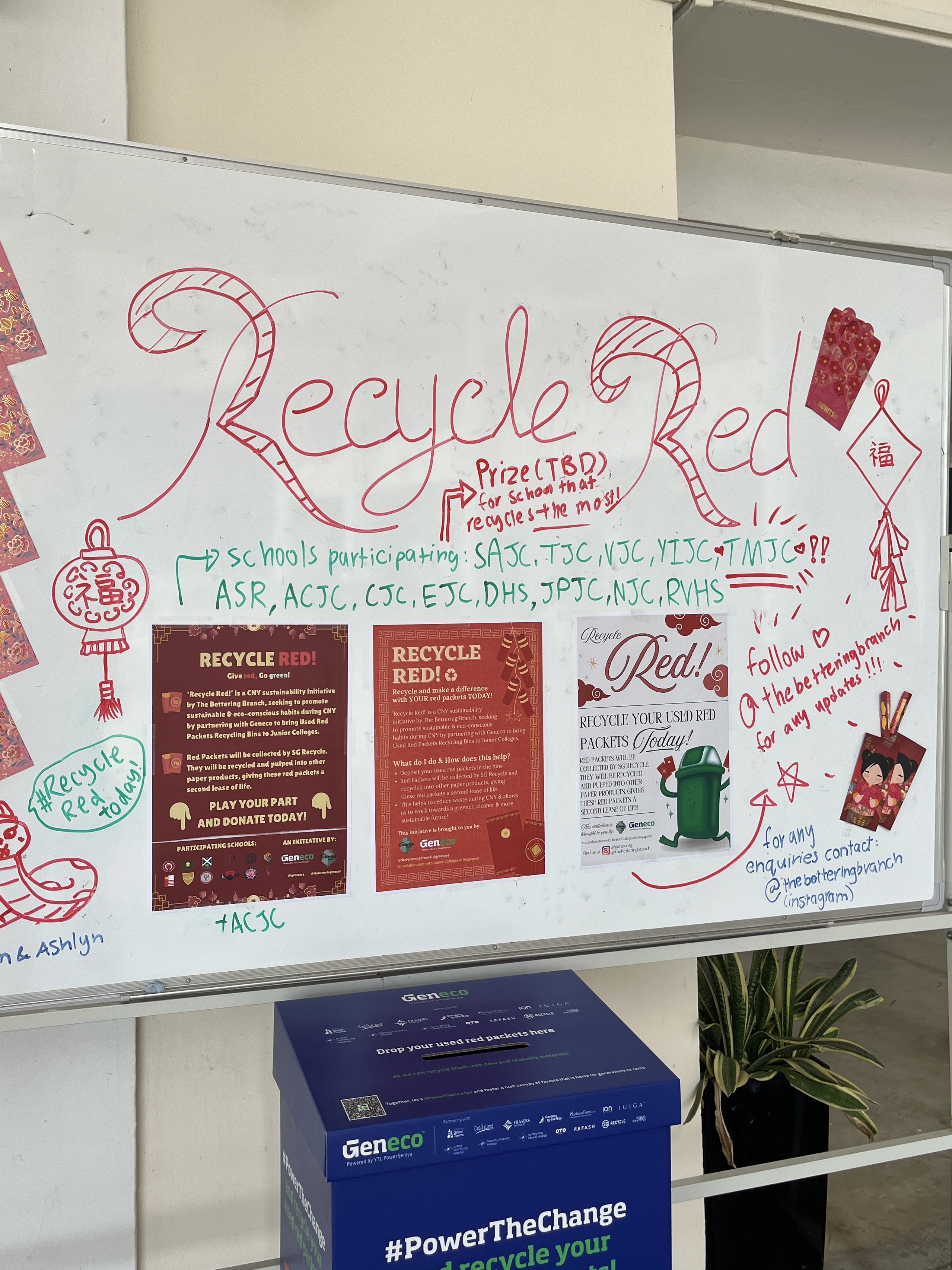
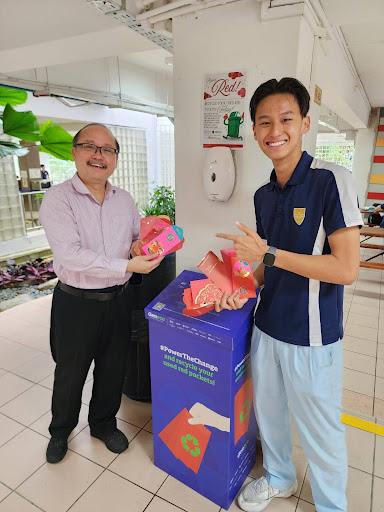
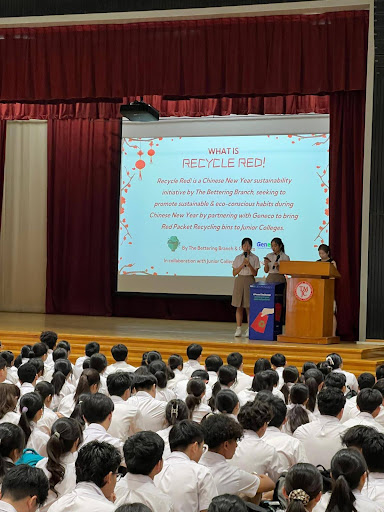
Recycle Red! is a Chinese New Year sustainability initiative by The Bettering Branch, seeking to promote sustainable & eco-conscious habits during Chinese New Year by partnering with Geneco to bring Red Packets Recycling bins to Schools.
OUR ENVIRONMENTAL IMPACT SO FAR
Since 2025, we have partnered with 30 schools to...
- Divert approx. 428,667 red packets from landfills (assuming 1 red packet weighs 3g - total 1286KG collected)
- Reduce about 1543.2kg CO2 Emissions avoided (Using CO2 factor ~1.2kg CO2 per kg recycled paper)
- Save ~9,002 litres of water (due to recycled fibres requiring significantly less water per tonne, assuming ~7litres per Kg
- Reached 100,000 students 30 schools using data.gov.sg Full-Time Polytechnic, Secondary School & Junior College students statistics)
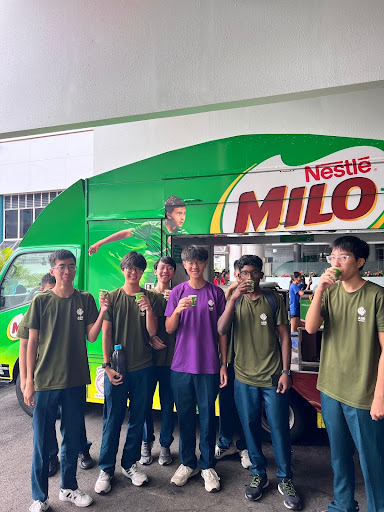
We thank all participating schools & our external partners Geneco, Nestle's Milo (2025 Sponsor) & Project Acai (2026 Sponsor) for making this possible!
HOW RECYCLE RED! BEGAN
Rooted in the legend of Sui, a demon said to harm sleeping children,
the Chinese New Year (CNY) tradition of giving red packets has always centred youths as its primary recipients.
And so, every CNY, millions of red packets are given to youths all across Singapore.
Not shortly after, when the festivities end, millions of red packets are then also thrown away by youths all across Singapore.
Geneco had already recognised this problem. In 2021, they piloted their Used Red Packet Recycling
initiative, placing collection bins across malls in Singapore. But to us, there was a friction problem. The primary recipients
of the red packets, students & youths,
were not only unaware that initiatives like this existed,
they were also not willing to go to the 'trouble' of
bringing their red packets to a mall, when tossing them in their bins at home was much easier.
Our founder, a mere Junior College student at the time saw this decided to do something about it. She had an idea to bring the red packets
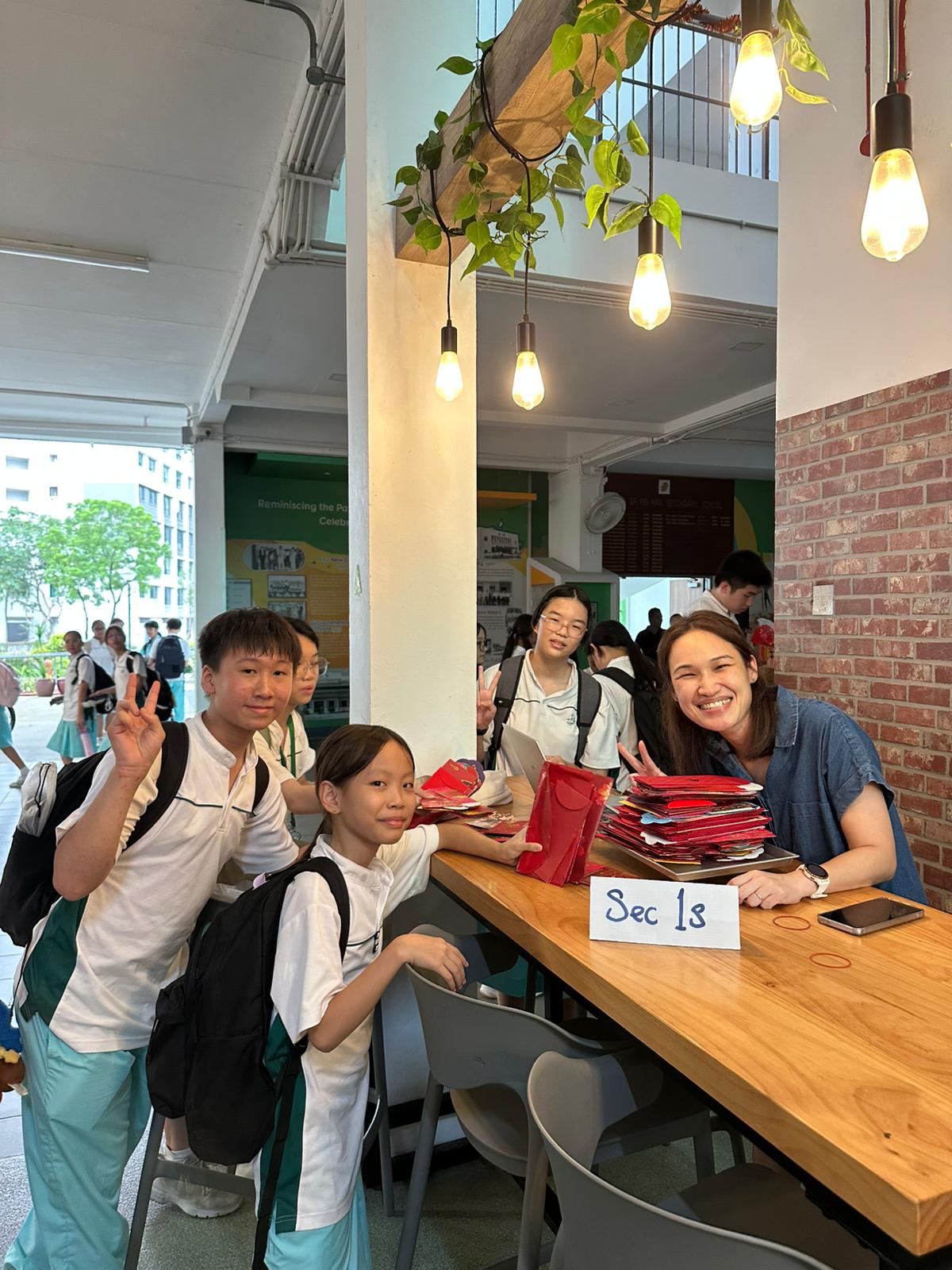
to where almost all youths go to every single day, rain or shine. School!
In December 2024, we reached out to Geneco with a cold pitch of Recycle Red!, a red packet recycling initiative
in schools that involved
an inter-school competition. We'd coordinate everything and all they had to do was provide us with the bins and
recycling facility to send them to. Thankfully, they said yes,
& thus Recycle Red! was born.
PROJECT PARTNERS
EXTERNAL
PARTICIPATING SCHOOLS
















Frequently Asked Questions
Why can't red packets go into normal recycling bins?
While red packets are made of paper, they cannot be recycled in the blue National Environment Agency (NEA) bins due to deep red dyes, metallic foil & gold stamping that clogs machinery and contaminates paper pulp.
How can I get my school involved?
Reach out to us at thebetteringbranch@gmail.com or via our social media pages. We welcome all & any Junior Colleges, Secondary Schools & other educational institutions. We will also be reaching out to primary schools for the 2027 run of the project!
What happens to the red packets after they're collected?
Collected red packets are passed to our recycling partners, SG Recycle, who process collected red packets through a specialised recycling stream designed to handle the metallic foils, dyes, and coatings. This prevents them from ending up in landfills, where paper produces methane as it decomposes & reduces the need for energy-intensive virgin paper pulp production!